 Fit Habits
Participation and Functional Outcomes in Neurological Recovery
A multi-year observational analysis of frequency, severity, age, and time

 Surgical Strong
What the study is. An analysis of The Perfect Step’s own records: roughly 300 clients living with spinal cord injury, stroke, traumatic brain injury, cerebral palsy, and other neurological conditions, with session histories spanning nearly six years. A longitudinal cohort of 84 clients with repeated Functional Movement Assessments and linkable attendance anchors every finding. Assessment spans average about two years.
The question. Does consistent participation in exercise-based recovery training correspond to measurable functional improvement, and does the relationship hold across injury severity, age, and time?
“There is a big difference between believing something because you’ve witnessed it and actually being able to demonstrate it through data.”
— Hal Hargrave, President and CEO, The Perfect Step
What the data showed
Improvement scales with frequency.
High-frequency clients (~9 sessions/month) improved +9.8 points on the 68-point FMA; lower-frequency clients (~3/month) improved +3.1 — roughly four times faster per month. Frequency remains a significant predictor after adjusting for baseline function, age, time since injury, and diagnosis (+1.18 points per session per month, p = 0.036).
It holds within severity.
Within incomplete injuries, higher-frequency clients improved +3.7 vs +1.1. Within complete injuries, +3.0 vs +1.8, with 3 of 4 higher-frequency clients improving.
Every age band improved on roughly equal participation.
The youngest clients gained the most (+8.0; 29 of 36 improved).
Emotional gains concentrated where they were needed.
Clients who arrived in distress improved +11.5 points on a 100-point scale; 15 of 17 improved.
Gains continued past year one.
Clients gained roughly +3.3 FMA points per year, and those followed past their first year were still improving.
Attendance came first.
When each client’s timeline was split, early attendance predicted later improvement — a design in which the improvement could not have caused the attendance.


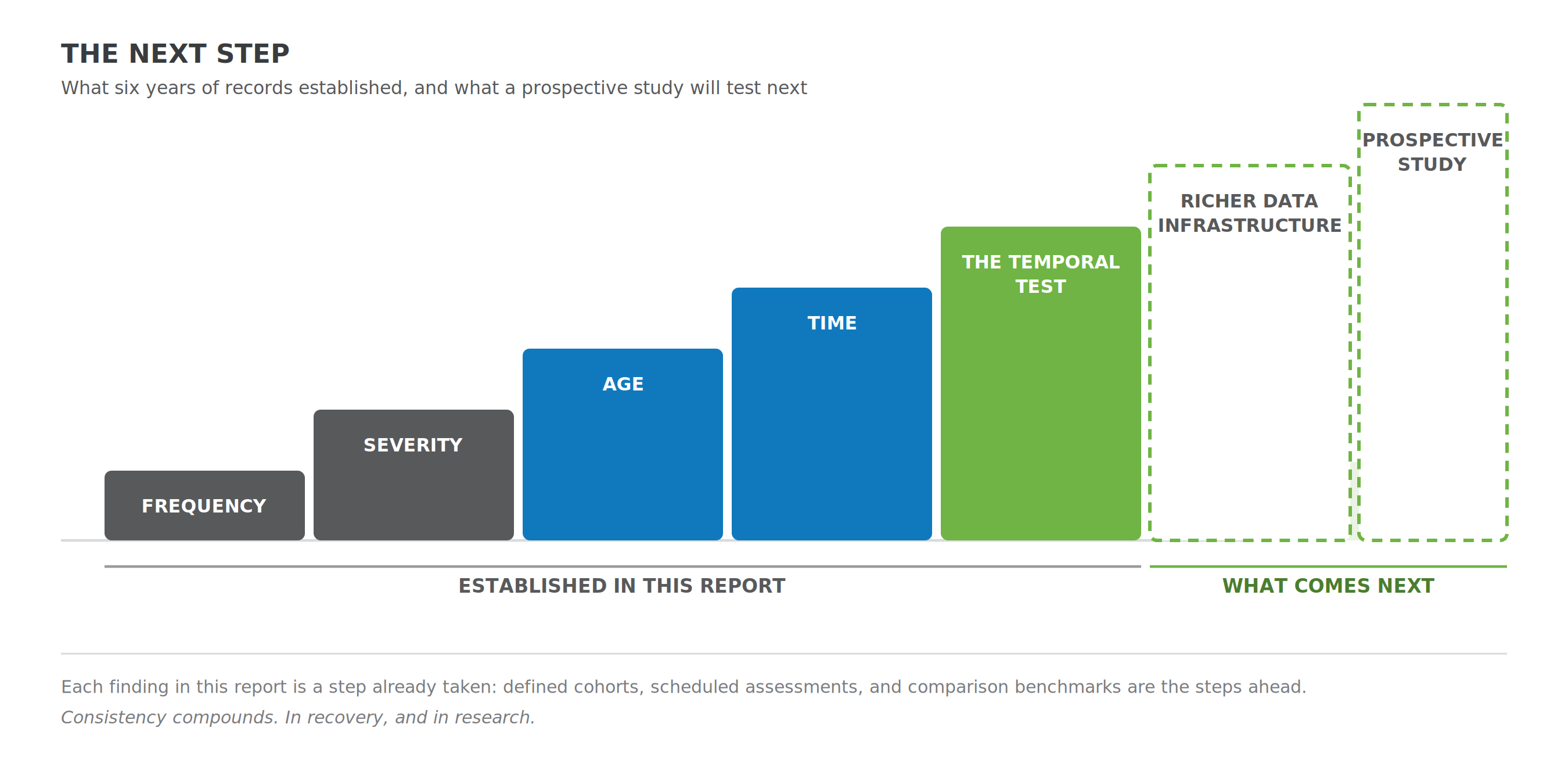
Not a randomized trial; no non-participating comparison group; one facility’s clients, described at the population level. The paper states plainly where the data stops and what a prospective study would need to answer.
For clients and families: how often you train matters, and a plateau is not necessarily an ending. For clinicians: measurable improvement remained available to clients with complete injuries under sustained training. For the field: the next step is a prospectively designed study built around the minimum effective dose of participation. For operators: the participation that drove these outcomes is the same participation clubs lose when members drift.
“Whether you’re running a neurological recovery center, a yoga studio, or a big-box gym, the reality is this: your members either integrate your business into their identity or they don’t.”
— Matthew Goforth, Founder and CEO, Fit Habits
“As a forever proposition, keeping people engaged for years is the hardest real-world challenge.”
— Gil Spitz, MS, MBA/MHA, CSCS, Founder and CEO, Surgical Strong
Media kit
The paper, summary, key facts, quotes, contacts, the four charts, headshots and logos (ZIP).
Download media kitAbout the authors
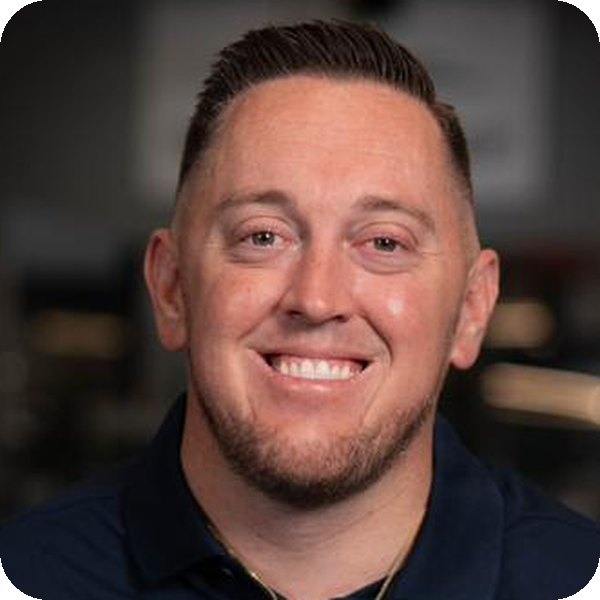
Hal Hargrave
Hal Hargrave is the President and CEO of The Perfect Step, an activity-based neurological recovery organization focused on providing long-term opportunities for individuals living with paralysis and other neurological conditions. After sustaining a spinal cord injury at age 17 that resulted in quadriplegia, Hal’s personal experience with neurological recovery helped shape his commitment to expanding what is possible beyond the traditional rehabilitation continuum. He holds a Master’s degree in Leadership and Management and has spent nearly two decades working in paralysis recovery, nonprofit leadership, education, advocacy, and program development. Hal is also the Founder and Executive Director of the Be Perfect Foundation, which has raised more than $10 million to support individuals and families affected by paralysis. His work with The Perfect Step centers on advancing long-term neurological recovery, improving outcomes measurement, and building evidence around the role that activity, consistency, and sustained participation can play in the lives of individuals living with neurological conditions.
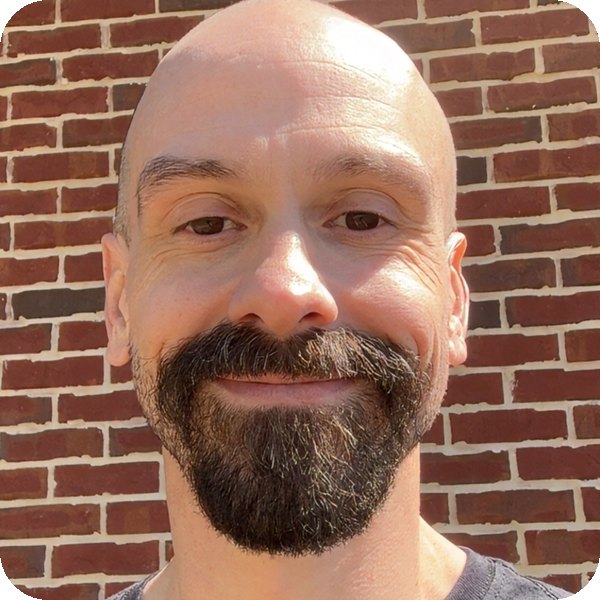
Matthew Goforth
Matthew Goforth is a lifelong athlete, big wall climber, and certified trainer who spent 15 years in corporate governance consulting, advising Fortune 500 executives and publishing research on shareholder class-action and SEC enforcement. He studied biochemistry at Stanford, where he earned contributing authorships in Nature and Cell Metabolism for work at the intersection of metabolism and immunology. He founded Fit Habits, a retention-analytics software and research firm, after discovering a half-billion-dollar annual retention gap hidden across 28.5 million members during the post-pandemic rebuild. Fit Habits’ current research with The Perfect Step aims to learn what a population managing paralytic injury reveals about behavior, recovery, and retention.
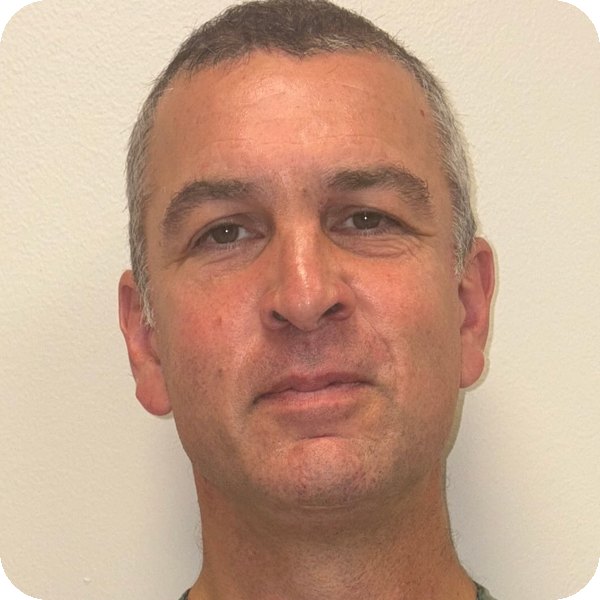
Gil Spitz, MS, MBA/MHA, CSCS
Gil Spitz, MS, MBA/MHA, CSCS, is a clinical exercise physiologist whose work focuses on bridging intensive physiological conditioning with complex clinical medicine. Recognized as a pioneering voice in solid organ transplant prehabilitation, Gil established early conditioning protocols at a premier Houston transplant center and frequently presents on clinical durability, surgical ergonomics, and pre-operative optimization. As the founder of Surgical Strong, he brings an extensive background in human performance and health administration to diverse acute environments. His collaboration with The Perfect Step leverages these insights from critical care and prehabilitation science to build evidence around long-term neuromuscular adaptation and sustained activity in neurological recovery.
Press contacts
| Topic | Contact | |
|---|---|---|
| The Perfect Step, program, clients, Southern California media, disability community | Hal Hargrave, President and CEO, The Perfect Step | halhargrave@theperfectstep.com |
| The research, data, retention findings, fitness-industry and business press | Matthew Goforth, Founder and CEO, Fit Habits | matthew@fithabits.ai |
| Clinical commentary, exercise physiology, ACSM / NSCA | Gil Spitz, MS, MBA/MHA, CSCS, Founder and CEO, Surgical Strong | gil@surgicalstrong.com |
| Media kit, assets, chart permissions | Fit Habits | matthew@fithabits.ai |
Inquiries about this research or related business: Matthew Goforth (matthew@fithabits.ai) · Hal Hargrave (halhargrave@theperfectstep.com)